Melita: A Trendy Handwritten Font
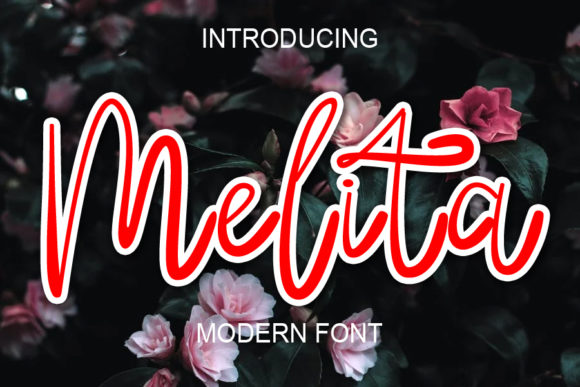
Melita is a smooth, cute, and trendy handwritten font that brings a unique personality to digital design. As a web designer, I appreciate how this script font adds character without overwhelming the layout. Its natural flow makes it ideal for headers, logos, and decorative elements in modern web projects.
When working on creative portfolios or boutique online stores, Melita stands out as a go-to choice. It pairs well with clean sans serif fonts for body text, creating a balanced visual hierarchy. The font’s soft curves and consistent stroke width make it easy to read, even at smaller sizes.
Using Melita in Web Design
In hero sections and call-to-action areas, Melita adds a personal touch that resonates with users. It works especially well for landing pages targeting creative industries, such as fashion, art, or lifestyle brands. The font’s readability on mobile screens makes it a reliable option for responsive layouts.
For online shop banners, Melita can be used to highlight product names or special offers. Its playful style aligns with modern e-commerce trends, helping to create a friendly and approachable brand tone. When placed over dark backgrounds or image overlays, the font maintains clarity without sacrificing style.
On blog headers or course sales pages, Melita enhances the visual appeal of short phrases and titles. It’s perfect for adding a creative flair to content sections without disrupting the overall design. For SaaS founders or digital product creators, using Melita in logo design or brand kits helps establish a cohesive identity across platforms.
Readability and Visual Hierarchy
Melita excels in situations where a human touch is needed. It’s best suited for headings, section titles, and buttons rather than long blocks of text. When paired with a simple sans serif font, it creates a clear contrast that guides user attention effectively.
For digital ads or social media graphics, Melita’s expressive style draws the eye and communicates a sense of creativity. However, it’s important to test the font at different sizes and on various devices to ensure it remains legible. On small buttons or mobile screens, keeping the text short and bold helps maintain readability.
When designing for brand trust and professionalism, Melita can be used sparingly. It’s more effective as a decorative accent than a primary body font. For editorial design or packaging design, the font’s charm can elevate the overall aesthetic without compromising clarity.
Font Pairing and Brand Identity
Pairing Melita with a serif or sans serif font creates a dynamic yet harmonious look. For example, using it alongside a clean sans serif for body copy ensures that the design remains accessible while still feeling fresh and modern. This combination is ideal for blogs, portfolio sites, or content-heavy web experiences.
For a more editorial feel, pairing Melita with a traditional serif font can add depth and sophistication. This approach works well for coaching websites, course pages, or digital brand kits that aim to convey expertise and creativity. The contrast between the two fonts enhances the overall design while maintaining a professional tone.
When selecting a premium font like Melita, it’s important to check the available styles, file formats, and webfont options. Ensuring multilingual support and proper licensing for commercial use is essential, especially when working on client projects or online stores.
Practical Considerations for Digital Creators
As a digital product creator, I rely on fonts that offer flexibility and ease of use. Melita’s availability in multiple weights and alternates makes it adaptable for different design needs. Whether you’re building a website, an app screen, or a banner, the font provides a stylish yet functional solution.
For web designers, integrating Melita into a site requires careful consideration of loading times and performance. Using webfont services like Google Fonts or Typekit ensures that the font loads efficiently without slowing down the page. Always test the font on different browsers and devices to confirm its compatibility.
When using Melita in client projects, understanding the commercial font licensing terms is crucial. Make sure the license covers all intended uses, including websites, landing pages, and digital templates. This prevents legal issues and ensures that your designs remain compliant and professional.
Melita’s blend of charm and clarity makes it a valuable addition to any digital design toolkit. Whether you're crafting a creative portfolio, a boutique online store, or a branded web experience, this font adds a touch of personality that elevates the overall look and feel of your work.